Word Vignette

Libation
There is an action that goes back to ancient times. A gesture so familiar that most people understand when they see it performed. That moment when a person opens a bottle, pauses, and lets a small stream of liquid fall to the ground. Libation is, at heart, a poured offering in honor of the divine, the dead, or the bonds that hold a community together. It is an action that shows this moment matters.
Etymology & Evolution
Libation is a practice that goes back to ancient times and performed by many different cultures, including Egyptian, Greek, Roman, and Hebrew. The word comes from the PIE root *lei- meaning to pour or to flow. This root word is ordinary because water flows and wine pours, but mankind made this action a language of devotion.
In the times before Christ, pouring out liquids, whether it was water, wine, milk, or honey, onto the ground, an altar, or another surface was a common ritual among all the peoples living then. Libations were performed during prayers, animal sacrifice, soldier departures to or returns from battle, and oaths. These libations were done during the Hellenistic and Roman periods, in the ancient Mediterranean and Etruscan world, and in classical Athens. There are several references in the Old Testament of drink offerings (libations) dedicated to God.
“Jacob set up a stone pillar at the place where God had talked with him, and he poured out a drink offering on it: he also poured oil on it.”
Genesis 35:14 KJV
The word enters Middle English through Latin, libātiō, meaning a drink-offering, formed from libāre, “to pour out (as an offering),” and also “to taste” or “to sip.” That double sense is telling. A libation is not only liquid poured away, it is also something touched to the lips, participated in, before part of it is relinquished. The offering is connected to the offerer.
For a long time in English history, libation stayed close to its ritual origin. Early definitions emphasize the act of pouring out wine, or some other liquid, in honor of a deity. As late as the 1914 Standard Home and School Dictionary, libation is defined as an “act of pouring a liquor, usually wine, either on the ground or on a victim in sacrifice, in honor of some deity.”
Shift in Meaning
While the core meaning remains, libation moves from sacred pouring in a structured and communal setting to a more improvised moment. It reflects a change in how modern life tends to treat ritual, not as a formal obligation, but as something we do in the cracks of ordinary days.
For Christians, the biblical libation becomes more symbolic. It is embodied gratitude, a pouring out of oneself. Paul borrows the language of drink offering to describe the giving of his own life. To be “poured out” is to be spent for God—willingly, completely, without keeping the best portion back. This is the libation turned inward, a life poured into service.
“For I am already being poured out like a drink offering, and the time for my departure is near.”
2 Timothy 4:6 NIV
Cultural Echoes
Today, libation can mean nothing more than an alcoholic drink, something poured, passed, enjoyed. But for many, a libation is still a sign of respect. It is an ancient act with a modern afterlife. A word that began at altars and now appears at gatherings, a gesture that has stood the test of time. Its root means simply “to pour,” but its history insists on something deeper.
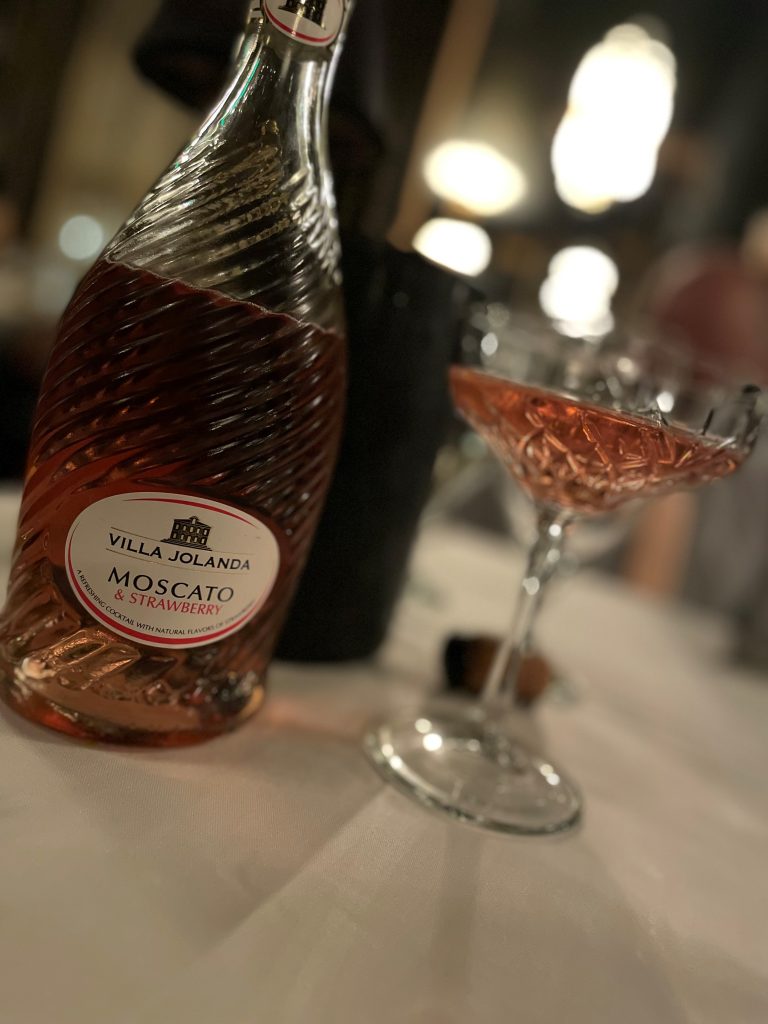
Maybe that’s why the gesture endures. A libation turns an ordinary drink into a gateway between celebration and sorrow, between the living and the dead. It is a small spilling that isn’t waste at all, but witness. A way to say, without speeches or explanations — I remember.
Have you ever poured a libation to honor someone in your life?
Sources and further reading
- Beer Culture Center. Libations: Alcohol’s Magic in Antiquity—Fermentation, Intoxication, Metamorphosis, and Madness. https://www.youtube.com/watch?v=VVOK7-shzuA
- Encyclopedia. Libation – Sacrificial pouring out of liquid. https://www.encyclopedia.com/environment/encyclopedias-almanacs-transcripts-and-maps/libation
- Etymonline. Libation – Etymology, Origin & Meaning. https://www.etymonline.com/word/libation
- Good Beer Hunting. Praying Before Eating – From ‘Libation’ to ‘Pouring One Out,’ Spilling Drinks Connects Souls Across Centuries and Continents by Yolanda Evans. https://www.goodbeerhunting.com/blog/2024/7/23/from-libations-to-pouring-one-out-spilling-drinks-connects-souls-across-centuries-and-continents
- Love to Know. Pour One Out: An Overview of the Grieving Ritual by Tom May. https://www.lovetoknow.com/life/grief-loss/pour-one-out-overview-grieving-ritual#:~:text=Pour%20One%20Out%20for%20the,it%20as%20a%20reference%20point.
- Merriam-Webster Dictionary. Libation. https://www.merriam-webster.com/dictionary/libation
- Ohio State University. The Greek Libation Bowl as Embodied Object by Milette Gaifman. https://classics.osu.edu/sites/default/files/2022-09/Gaifman_Libation%20Bowl%20as%20Embodied%20Object.pdf
- Standard Home and School Dictionary. Rev. ed., Funk & Wagnalls, 1914. ed., Funk & Wagnalls, 1914.
- TV Tropes. Libation for the Dead – https://tvtropes.org/LibationForTheDead.
- VinePair. Libations And The Ancient History Of Pouring One Out. https://vinepair.com/wine-blog/libations-and-the-ancient-history-of-pouring-one-out/
- Webster’s 1828 Dictionary. Libation. https://webstersdictionary1828.com/Dictionary/Libation
